Statement from the Minister of Justice on the early release of Aloys Simba by Judge Theodor Meron

Kigali, 17 January 2019 -- In his last days as President of the International Residual Mechanism for Criminal Tribunals, Judge Theodor Meron cemented his legacy of undermining international criminal justice by releasing Aloys Simba in the dark of night, eight years before the end of his sentence. During his tenure as President of the MICT, Judge Meron has consistently reversed convictions, considerably reduced sentences on appeal, and released early genocidaires responsible for the worst massacres with no regard for the victims and survivors.
Judge Meron is aware of Simba’s responsibility for the massacre of more than 40,000 Tutsi children, women and men at Murambi Technical School. Likewise, he knows that at Kaduha Parish, Simba put traditional weapons, guns and grenades into the hands of mass murderers and ordered them to “get rid of this filth” before they converted what should have been a place of refuge into a human slaughterhouse. The International Criminal Tribunal of Rwanda convicted Simba of genocide and the crime against humanity of extermination, and it sentenced him to 25 years’ imprisonment. He should have served his entire prison term.
When considering a request for early release, as a matter of international law, the Mechanism must take into account the gravity of the offense, the interests of the victim survivors, the prisoner’s demonstration of repentance and rehabilitation, and his cooperation with the prosecution. Simba orchestrated the brutal massacre of his victims in order to advance the genocidal destruction of an entire group. He has shown no remorse. He has refused to cooperate with authorities. And, in its submission to the Mechanism, Rwanda provided a detailed opinion from an expert in the trauma of genocide victims, who personally interviewed some survivors and reviewed statements from others. She described how Simba’s release would cause untold trauma for survivors of Kaduha Parish and the Murambi Technical School, where children saw their parents murdered, and parents saw their children murdered. But Judge Meron somehow overlooked all of this to offer Simba leniency.
Compounding this injustice, Judge Meron released Simba last week with an utter lack of transparency. The release occurred last week in secret. Judge Meron has yet to make his order public, and he shielded it for days from the rest of the Mechanism. Rwanda was also kept in the dark. Such unchecked, underhanded unilateralism has no place in the administration of international law.
We urge the next President to take more seriously the law and the facts, when reviewing applications for early release. With due consideration to appropriate and established legal and factual considerations, the Mechanism can review and act upon an application for release prior to completion of the sentence. But such decisions must be viewed as the exception, reserved for special cases and backed by compelling justifications. Going forward, the United Nations, member states and those who have agreed to these processes must understand that Judge Meron’s approach threatens to undermine the international criminal justice system.
We likewise urge the next President to operate in an open and transparent manner, so that the Government of Rwanda and others with an interest in the cases pending before the MICT have notice and a reasonable opportunity to respond to pleadings and orders. For example, without transparency, the Government of Rwanda cannot know whether Judge Meron released Mr. Simba for health concerns, something the Government of Rwanda might not necessarily oppose. Kept in the dark, however, it cannot know whether this is the case.
Topics
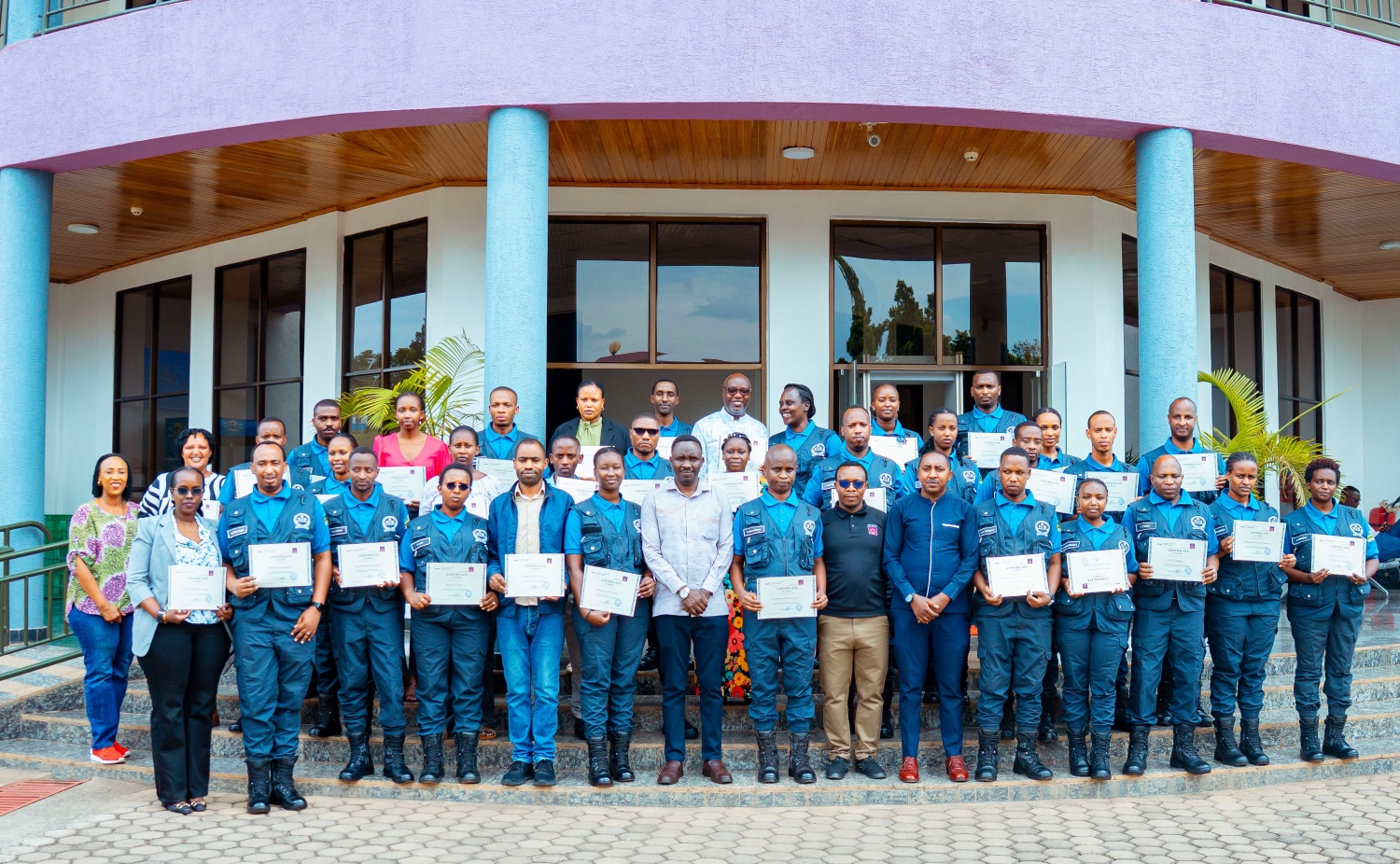
36 Justice Sector Professionals Strengthen Skills in Alternative Dispute Resolution
The Ministry of Justice, in partnership with the United Nations Development Programme (UNDP), organised a capacity-building training for 36 Justice…
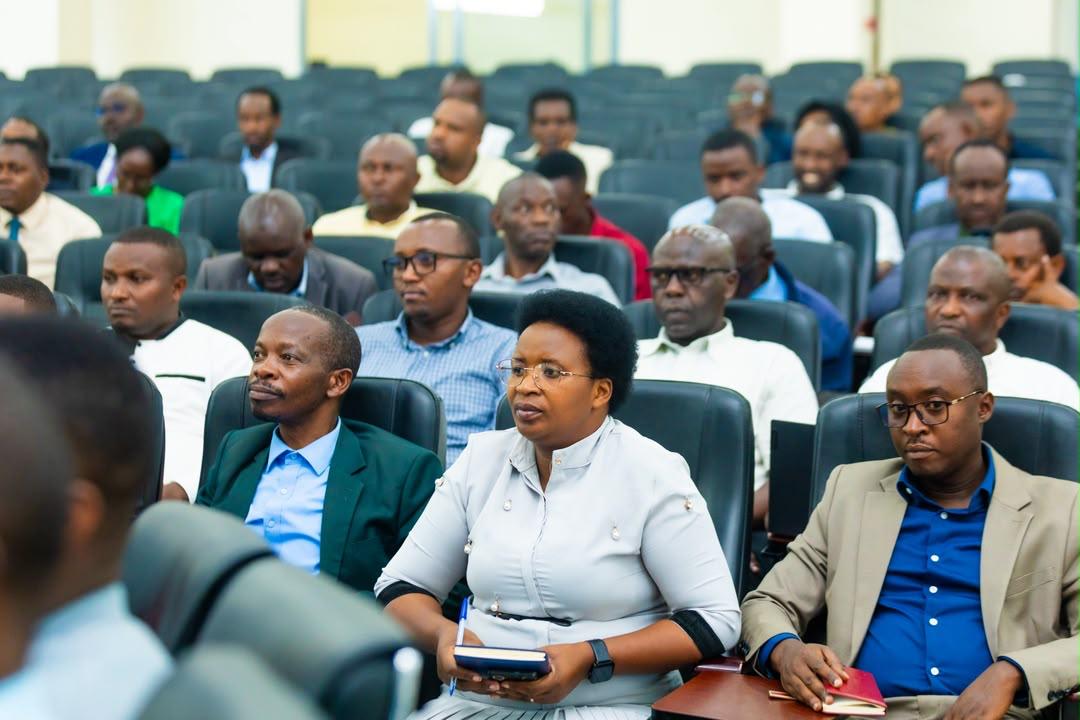
Government Legal Advisors discuss strengthening transparency, accountability and inclusive participation
On 25 September 2026, Government legal advisors from central and local government institutions convened at Gasabo District Headquarters to strengthen…
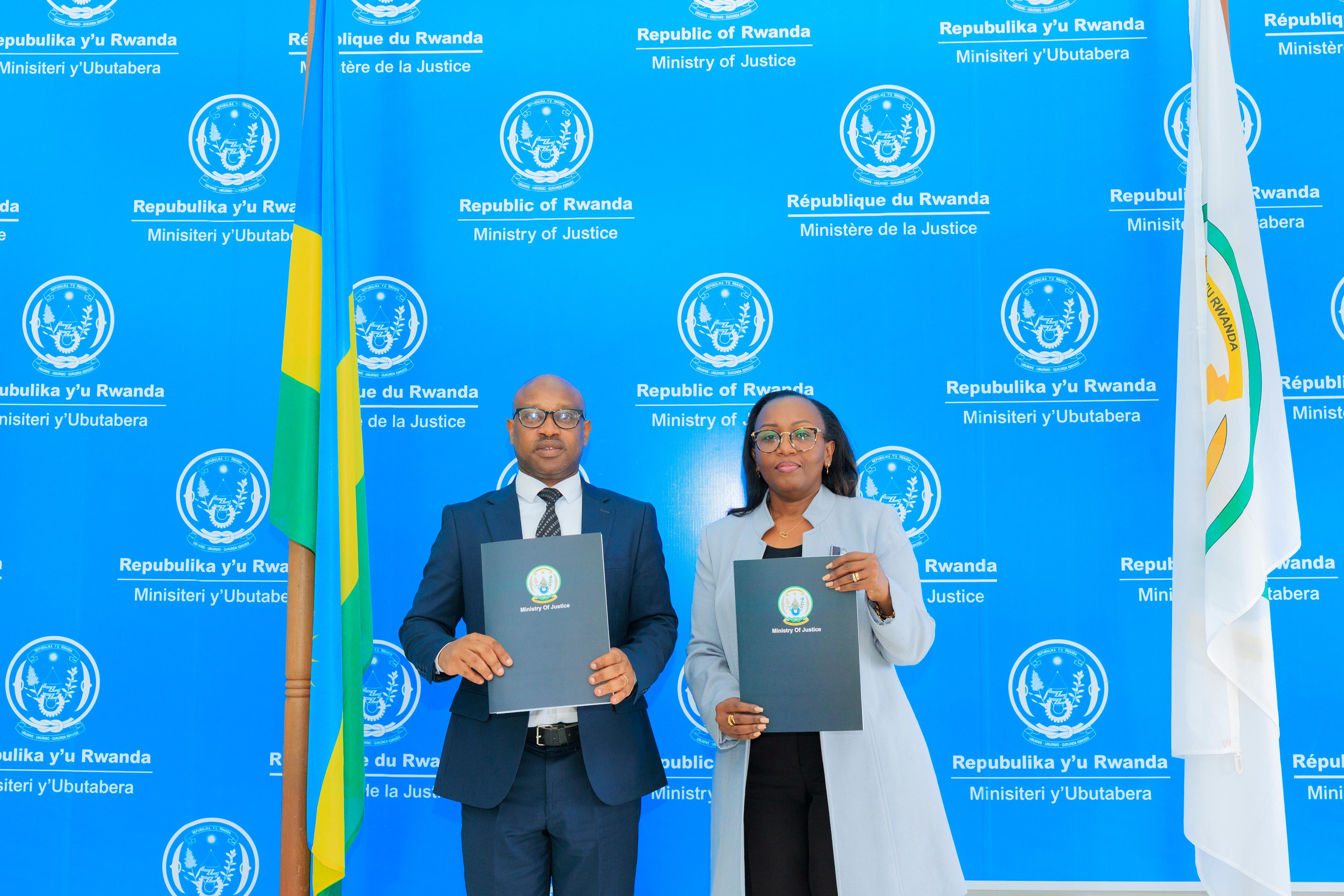
Ihererekanya bubasha hagati y’ abayobozi bashya n’abayobozi bacyuye igihe muri Minisiteri y’Ubutabera
Uyu munsi ku wa 24 Nzeri 2026, abayobozi bashya muri Ministeri y’Ubutabera baherutse gushyirwaho n’Inama y’Abaminisitiri yo ku wa 18 Nzeri 2026…
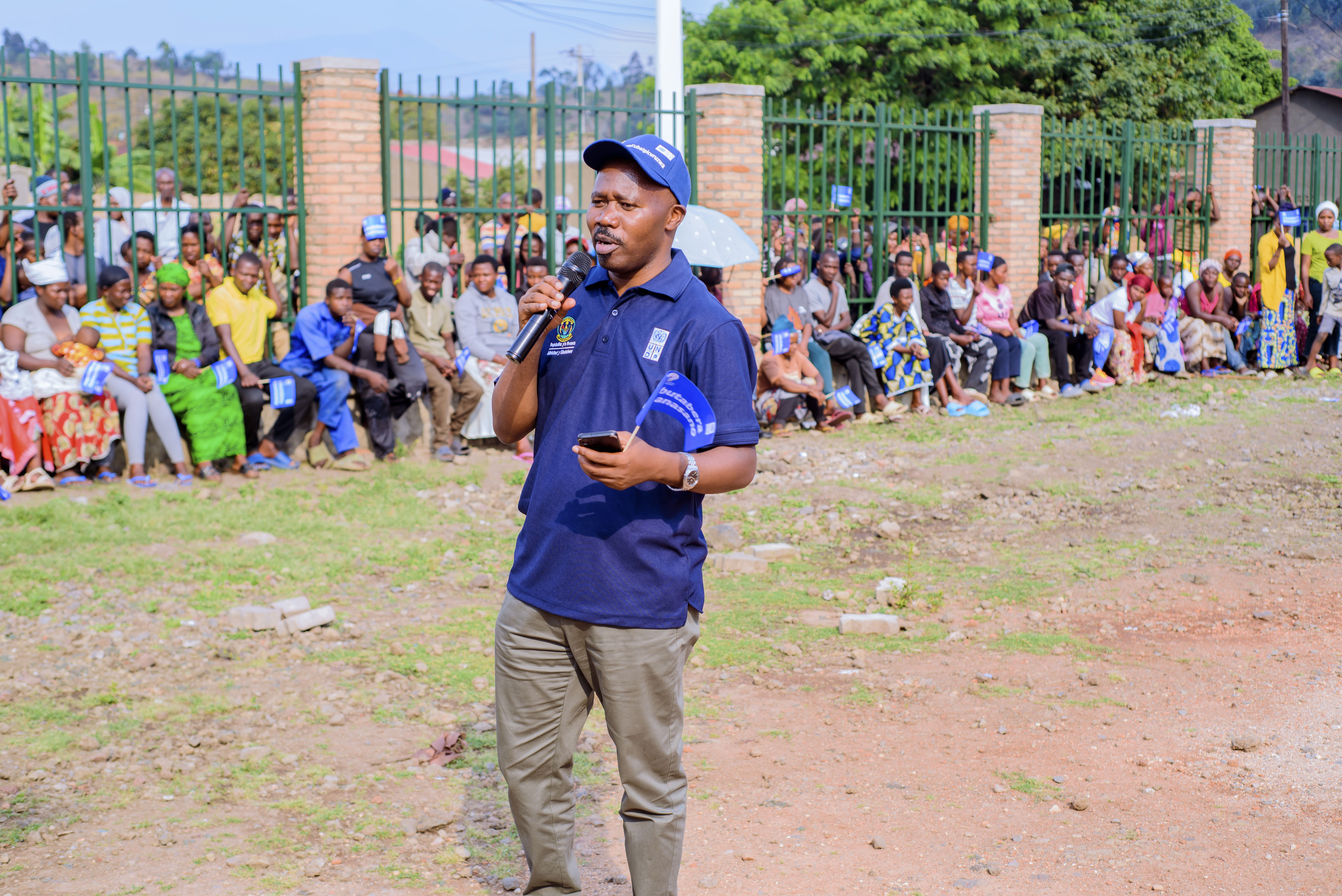
MINIJUST Raises Awareness on Human Trafficking Prevention and on ADR in Rubavu
On 15 September 2026, the Ministry of Justice, in partnership with UNDP, conducted a community awareness caravan in Rubavu District to raise awareness…
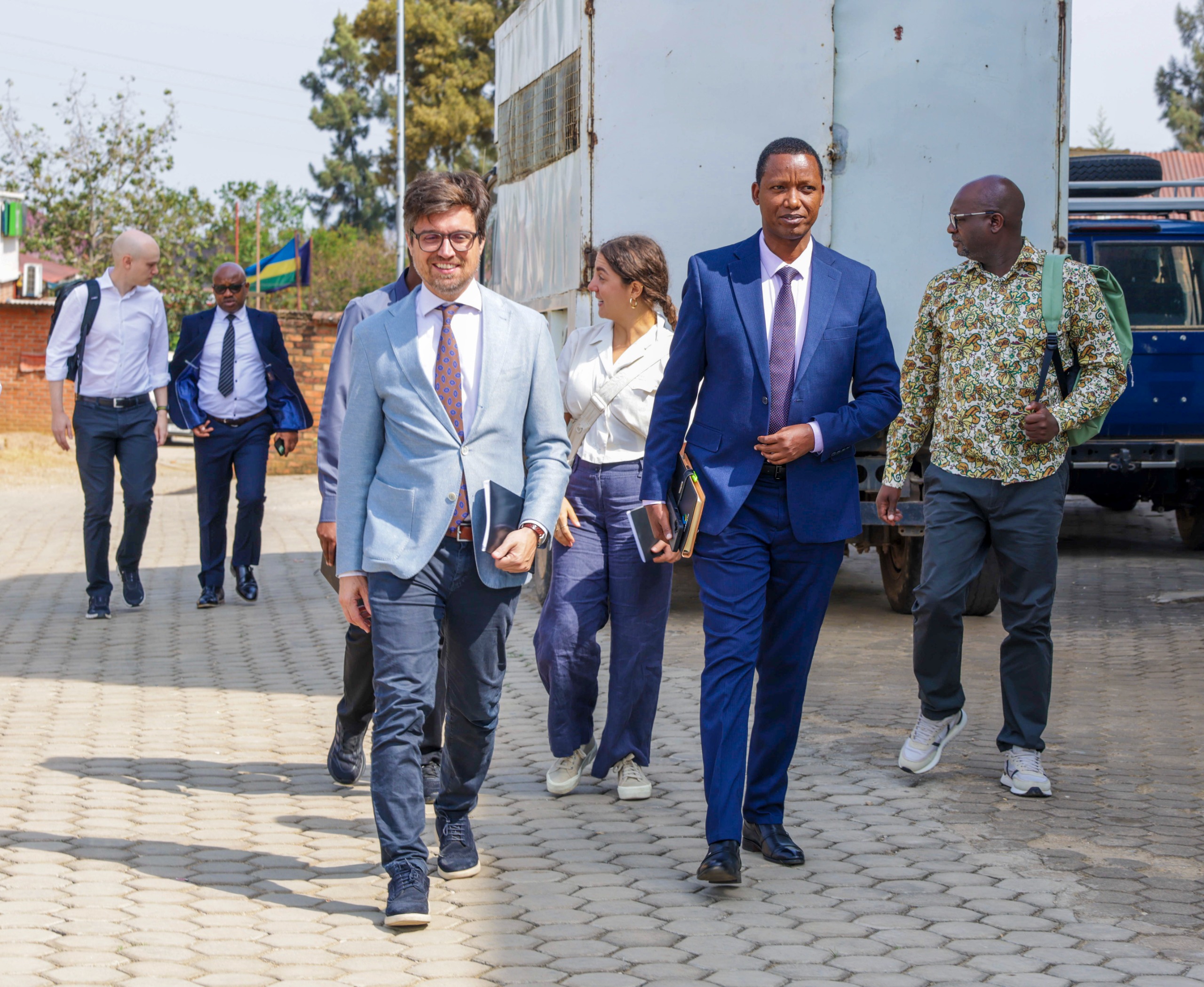
MINIJUST and Swiss Delegation Visit Karongi District to Review Access to Justice and ADR Initiatives
A delegation led by H.E. Gilles Cerutti, Ambassador of Switzerland to Rwanda, and the Permanent Secretary/Solicitor General at the Ministry of Justice…
Rwanda Launches National Diversion Framework to Advance Child-Friendly Justice
On 23 June 2026, the Ministry of Justice, in partnership with UNICEF Rwanda, convened a Stakeholders’ Dialogue on Advancing Child Justice in Rwanda,…

Rwanda hosts Africa’s Attorneys General Forum on strengthening Public–Private Partnerships for Development
Rwanda convened the Africa’s Attorneys General Forum in Kigali from 5–7 May 2026, in partnership with the World Bank Group, ICSID, MIGA, AFC, IFC, and…
ADR Caravan Strengthens Community Awareness and Trust in Alternative Dispute Resolution
The Ministry of Justice, in partnership with the Swiss Agency for Development and Cooperation (SDC) and the European Union (EU), conducted an ADR…
Investigators and Prosecutors Strengthen ADR Skills to Advance Access to Justice
From 29 March to 1 April 2026, the Ministry of Justice, in partnership with the European Union, organized a specialized Alternative Dispute Resolution…