Preventing Crime is Not Only a Security Objective but Also a Development Imperative

Kigali, Rwanda – 22 October 2025 – The Ministry of Justice, in collaboration with justice sector institutions and with the support of the United Nations Development Programme (UNDP), held a one-day Stakeholders’ Dialogue on Strengthening Crime Prevention Strategies in Rwanda at Serena Hotel, Kigali.
The dialogue brought together leaders from justice sector institutions, development partners, civil society, and the private sector to discuss the draft National Crime Prevention Strategy (NCPS). The meeting aimed to strengthen coordination, innovation, and community participation in efforts to prevent and reduce crime nationwide.
This engagement builds on the outcomes of the 10th Justice, Reconciliation, Law and Order Sector (JRLOS) and UPR Retreat, where the need for a dedicated platform on crime prevention was identified. Participants assessed current prevention efforts, shared best practices, and proposed policy actions to enhance national safety and resilience.
In his keynote address, Minister of Justice and Attorney General, Dr. Emmanuel Ugirashebuja, underscored that preventing crime is not only a security objective but also a development imperative. “Every crime prevented safeguards human rights, protects economic assets, and fosters public trust,” he stated. He further reaffirmed the Government’s commitment, adding: “The Government of Rwanda remains firmly committed to fostering a safer, more just, and inclusive society through effective and coordinated crime prevention strategies.”
In her remarks, UNDP Resident Representative in Rwanda, Fatmata Lovetta Sesay, emphasized that “Crime prevention is not just a security issue; it is a development priority. When communities feel safe, they thrive; when justice systems are fair, trust in institutions grows.”
UN Resident Coordinator and Representative of the UN Secretary-General to Rwanda, Ozonnia Ojielo, added that “Crime prevention is not only a national imperative but a global necessity for sustainable peace, security, and development.”
The dialogue is expected to inform the finalization of the NCPS and strengthen collaboration among justice institutions, development partners, and communities — in line with Vision 2050 and the National Strategy for Transformation (NST2), which promote safety, security, and the rule of law as key pillars of sustainable development.
Topics
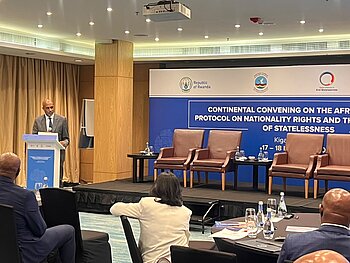
Rwanda Hosts African Regional Convening on Nationality Rights and Eradication of Statelessness
Rwanda is hosting the African Regional Convening on the AU Protocol on Nationality Rights and the Eradication of Statelessness in Africa, bringing…
Rwanda Hosts 15th African Society of International Law Conference on Reparations
Rwanda hosted the 15th Annual Conference of the African Society of International Law (AfSIL) on 6–7 November 2026, bringing together legal scholars,…
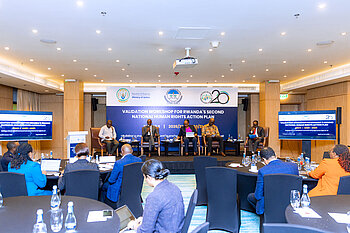
Rwanda Validates Second National Human Rights Action Plan for 2026/27–2030/31
The Ministry of Justice, in partnership with the National Commission for Human Rights and the Legal Aid Forum (LAF), convened a stakeholder validation…
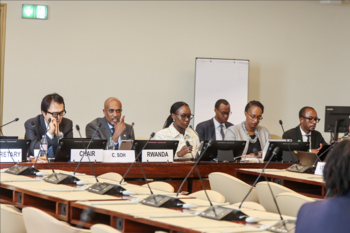
Review of Rwanda’s Fifth Periodic Report under the International Covenant on Civil and Political Rights
The UN Human Rights Committee has concluded today its review of Rwanda’s Fifth Periodic Report under the International Covenant on Civil and Political…
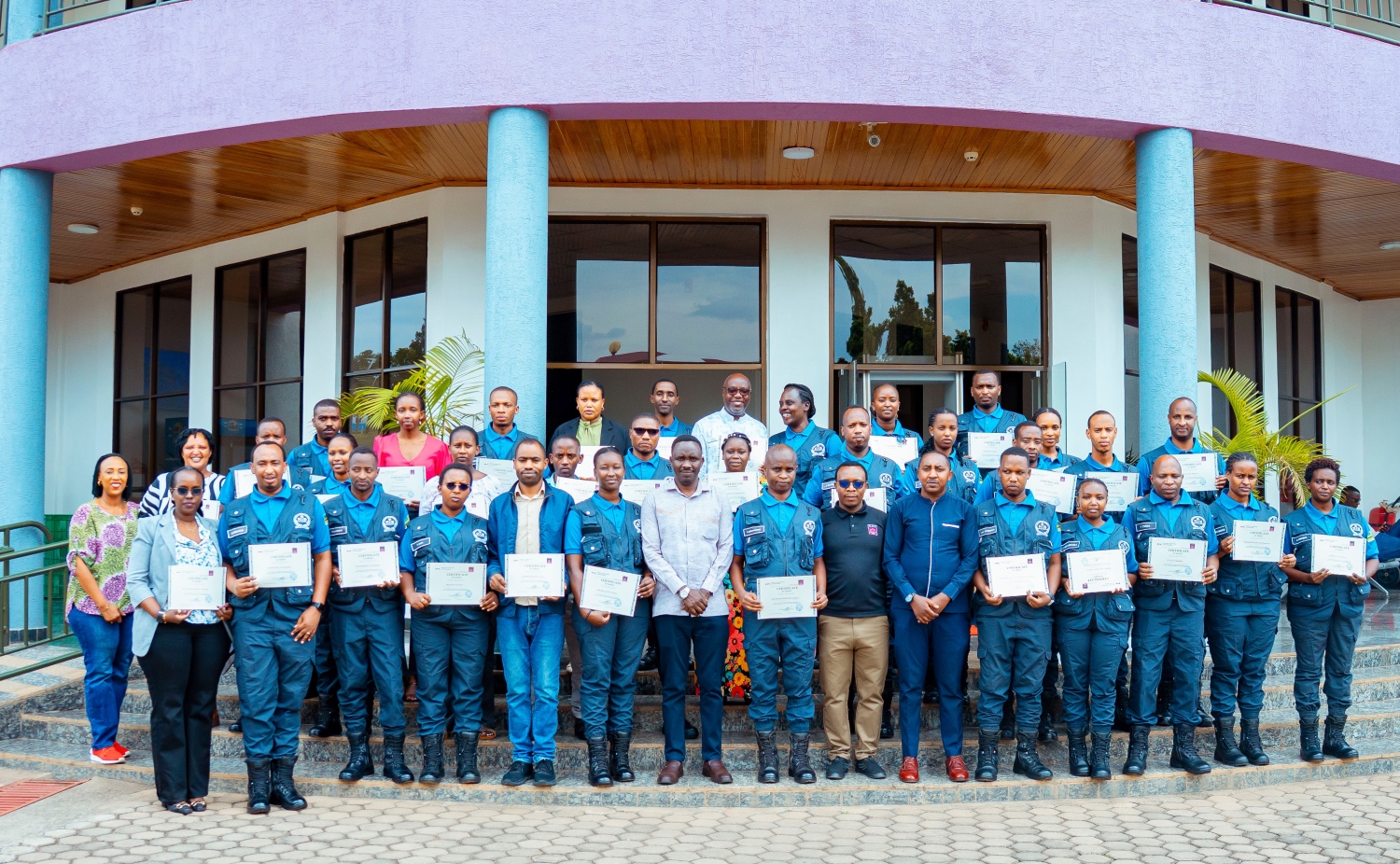
36 Justice Sector Professionals Strengthen Skills in Alternative Dispute Resolution
The Ministry of Justice, in partnership with the United Nations Development Programme (UNDP), organised a capacity-building training for 36 Justice…
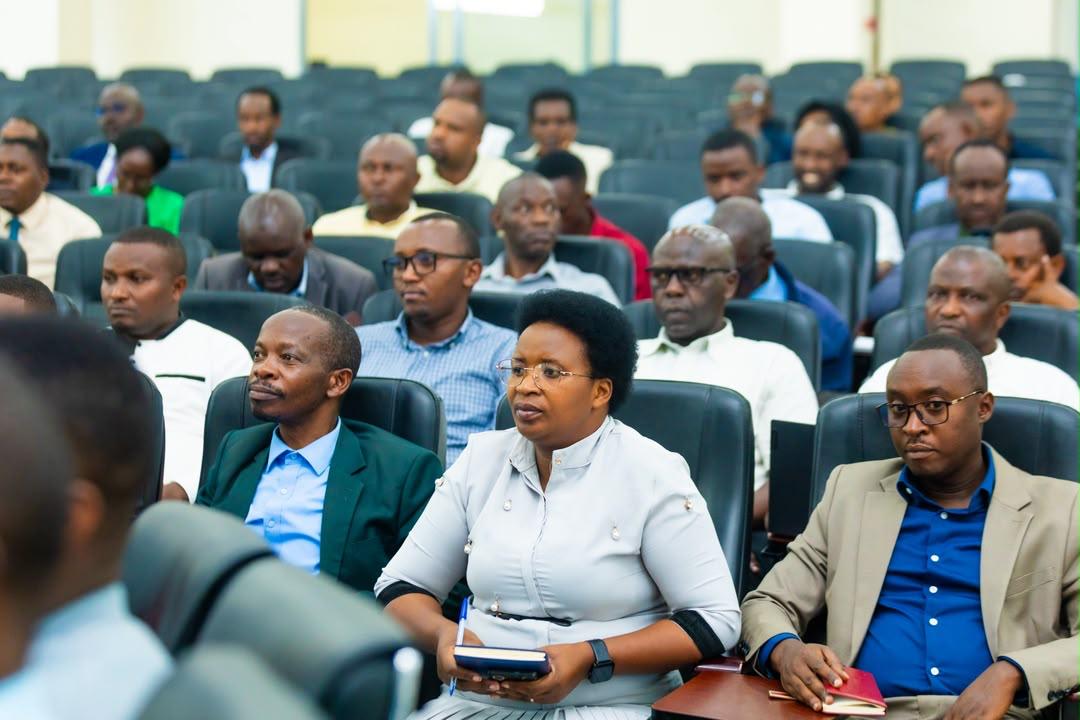
Government Legal Advisors discuss strengthening transparency, accountability and inclusive participation
On 25 September 2026, Government legal advisors from central and local government institutions convened at Gasabo District Headquarters to strengthen…
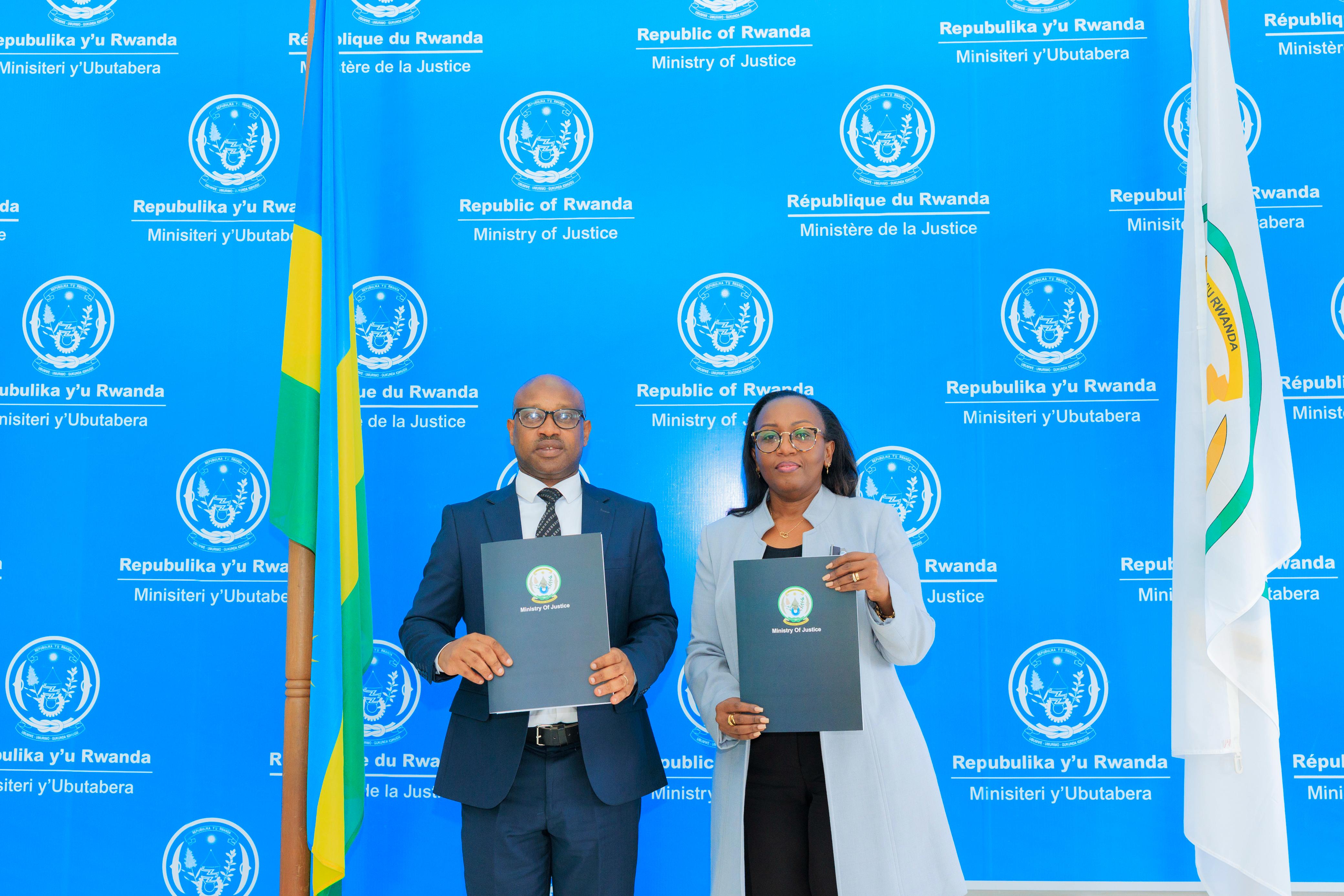
Ihererekanya bubasha hagati y’ abayobozi bashya n’abayobozi bacyuye igihe muri Minisiteri y’Ubutabera
Uyu munsi ku wa 24 Nzeri 2026, abayobozi bashya muri Ministeri y’Ubutabera baherutse gushyirwaho n’Inama y’Abaminisitiri yo ku wa 18 Nzeri 2026…
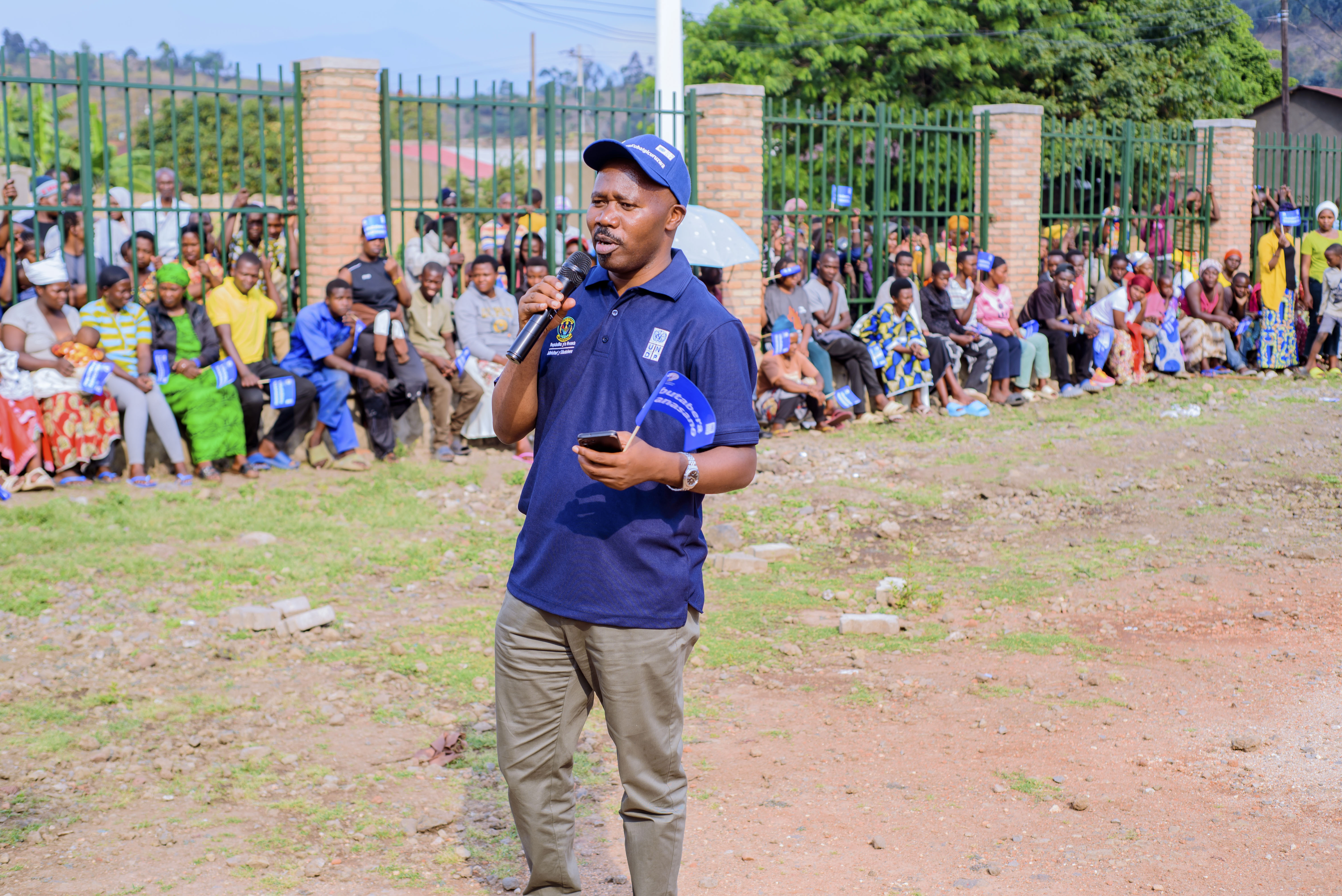
MINIJUST Raises Awareness on Human Trafficking Prevention and on ADR in Rubavu
On 15 September 2026, the Ministry of Justice, in partnership with UNDP, conducted a community awareness caravan in Rubavu District to raise awareness…
MINIJUST and Swiss Delegation Visit Karongi District to Review Access to Justice and ADR Initiatives
A delegation led by H.E. Gilles Cerutti, Ambassador of Switzerland to Rwanda, and the Permanent Secretary/Solicitor General at the Ministry of Justice…