Rwanda Launches First National Study on Alternative Dispute Resolution to Strengthen Access to Justice

Kigali, 21 October 2025 — The Ministry of Justice has launched in collaboration with international alert Rwanda has launched the first-ever national research mapping Alternative Dispute Resolution (ADR) service providers across Rwanda. The study aims to strengthen access to justice through homegrown solutions and better coordination among actors involved in peaceful conflict resolution.
The findings reveal Rwanda’s vibrant and diverse ADR ecosystem, comprising both state and non-state actors. State institutions include Abunzi committees, MAJ (Maisons d’Accès à la Justice), courts, the National Public Prosecution Authority (NPPA) and the Rwanda Investigation Bureau (RIB) through plea bargaining, as well as the Office of the Ombudsman. Non-state actors include NGOs, community-based organizations, legal clinics, faith-based organizations, along with 522 certified mediators and representatives from 2,720 religious denominations.
According to the research, mediation is the most commonly used ADR mechanism in Rwanda, accounting for 39.4% of cases, followed by conciliation (30.5%), negotiation (26%), and arbitration (4.1%). The majority of disputes handled through ADR are civil in nature (70.9%), with family-related conflicts representing 92.9% of these cases. These findings highlight ADR’s critical role in fostering community harmony and preventing escalation of conflicts.
While launching the study, the Permanent Secretary and Solicitor General, Mr. Mbonera Théophile, emphasized the importance of ADR in Rwanda’s justice landscape.
“ADR mechanisms enhance access to justice and promote peaceful conflict resolution,” he said. “This research strengthens coordination and advances implementation of the National ADR Policy.”
He further noted the tangible benefits already being observed through ADR initiatives:
“Efforts in implementing the ADR Policy are not useless but very helpful to the Rwandan community. Court case backlogs and overcrowding in correctional facilities are already reducing, showing tangible progress toward a more accessible and peaceful justice system.”
Reflecting on Rwanda’s progress three years after adopting the National ADR Policy, Mr. Mbonera expressed gratitude for the collaboration of various stakeholders and partners:
“The Government of Rwanda is grateful for the commitment of various actors and development partners. Their contributions are helping to advance access to justice and peaceful dispute resolution.”
He concluded by reaffirming the Ministry’s call for collective responsibility:
“No contribution is too small. Every effort counts in building a society where disputes are resolved amicably and conflicts that could lead to violence are prevented.”
The research marks an important milestone in the Government’s continued efforts to enhance justice delivery through inclusive, culturally rooted, and sustainable means of resolving disputes, ensuring that peace and justice remain accessible to all Rwandans.
Topics
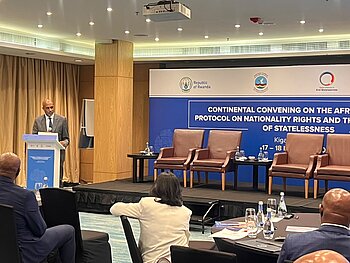
Rwanda Hosts African Regional Convening on Nationality Rights and Eradication of Statelessness
Rwanda is hosting the African Regional Convening on the AU Protocol on Nationality Rights and the Eradication of Statelessness in Africa, bringing…
Rwanda Hosts 15th African Society of International Law Conference on Reparations
Rwanda hosted the 15th Annual Conference of the African Society of International Law (AfSIL) on 6–7 November 2026, bringing together legal scholars,…
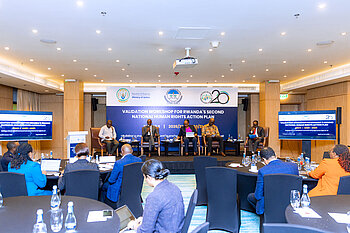
Rwanda Validates Second National Human Rights Action Plan for 2026/27–2030/31
The Ministry of Justice, in partnership with the National Commission for Human Rights and the Legal Aid Forum (LAF), convened a stakeholder validation…
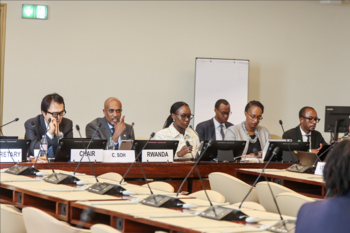
Review of Rwanda’s Fifth Periodic Report under the International Covenant on Civil and Political Rights
The UN Human Rights Committee has concluded today its review of Rwanda’s Fifth Periodic Report under the International Covenant on Civil and Political…
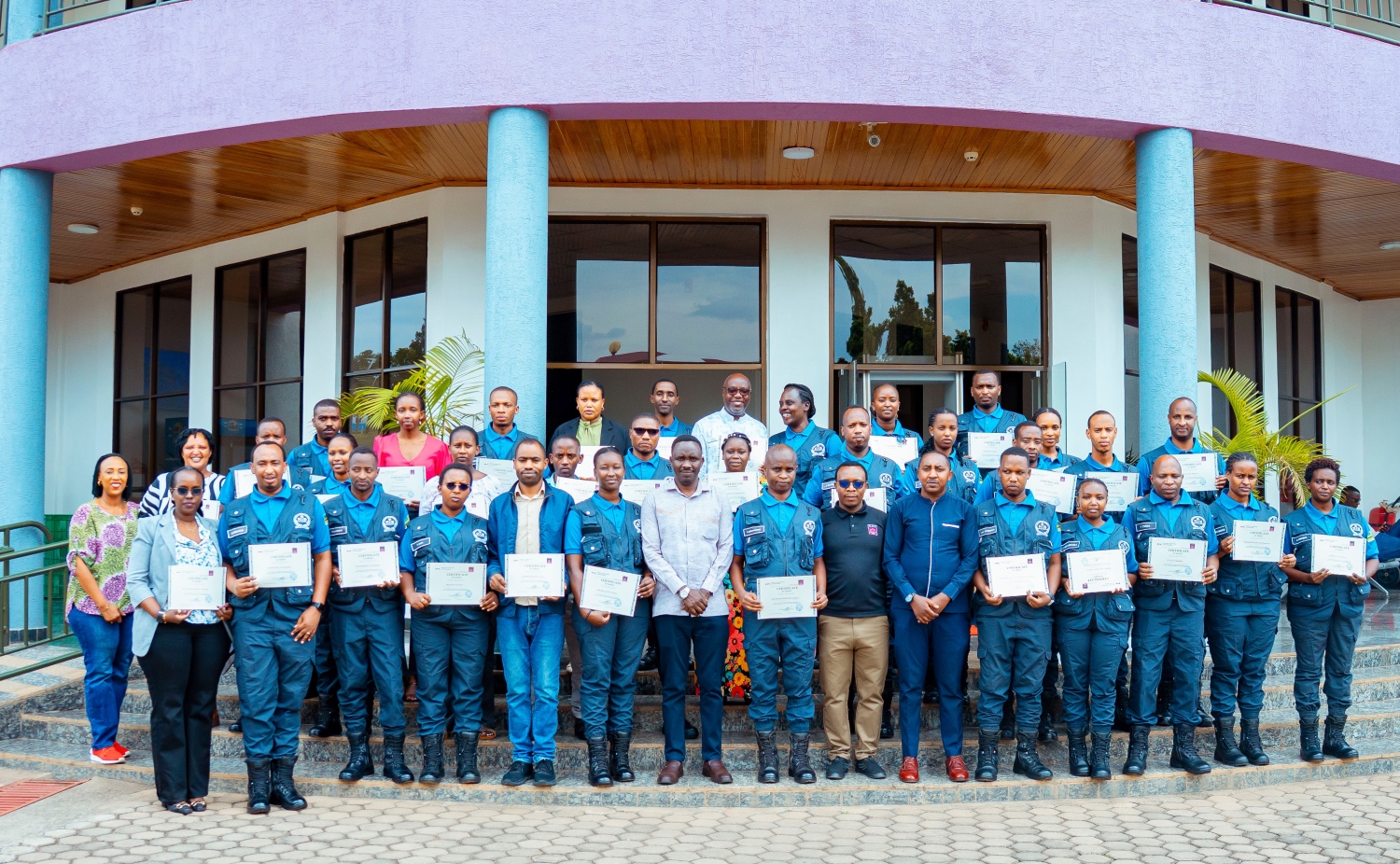
36 Justice Sector Professionals Strengthen Skills in Alternative Dispute Resolution
The Ministry of Justice, in partnership with the United Nations Development Programme (UNDP), organised a capacity-building training for 36 Justice…
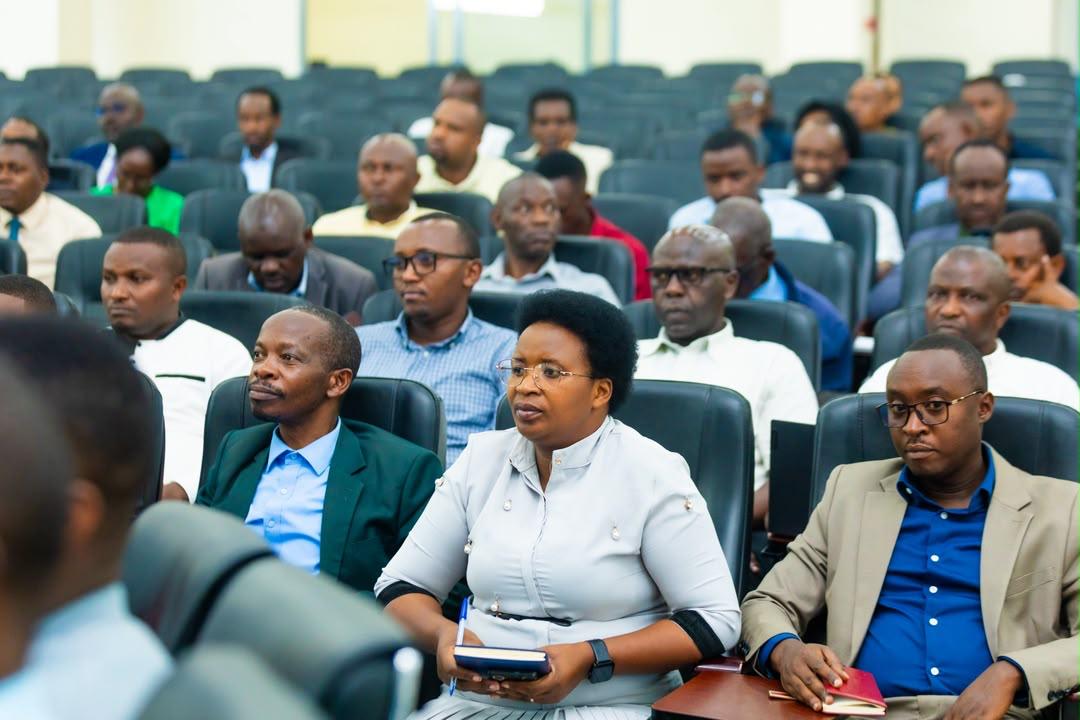
Government Legal Advisors discuss strengthening transparency, accountability and inclusive participation
On 25 September 2026, Government legal advisors from central and local government institutions convened at Gasabo District Headquarters to strengthen…
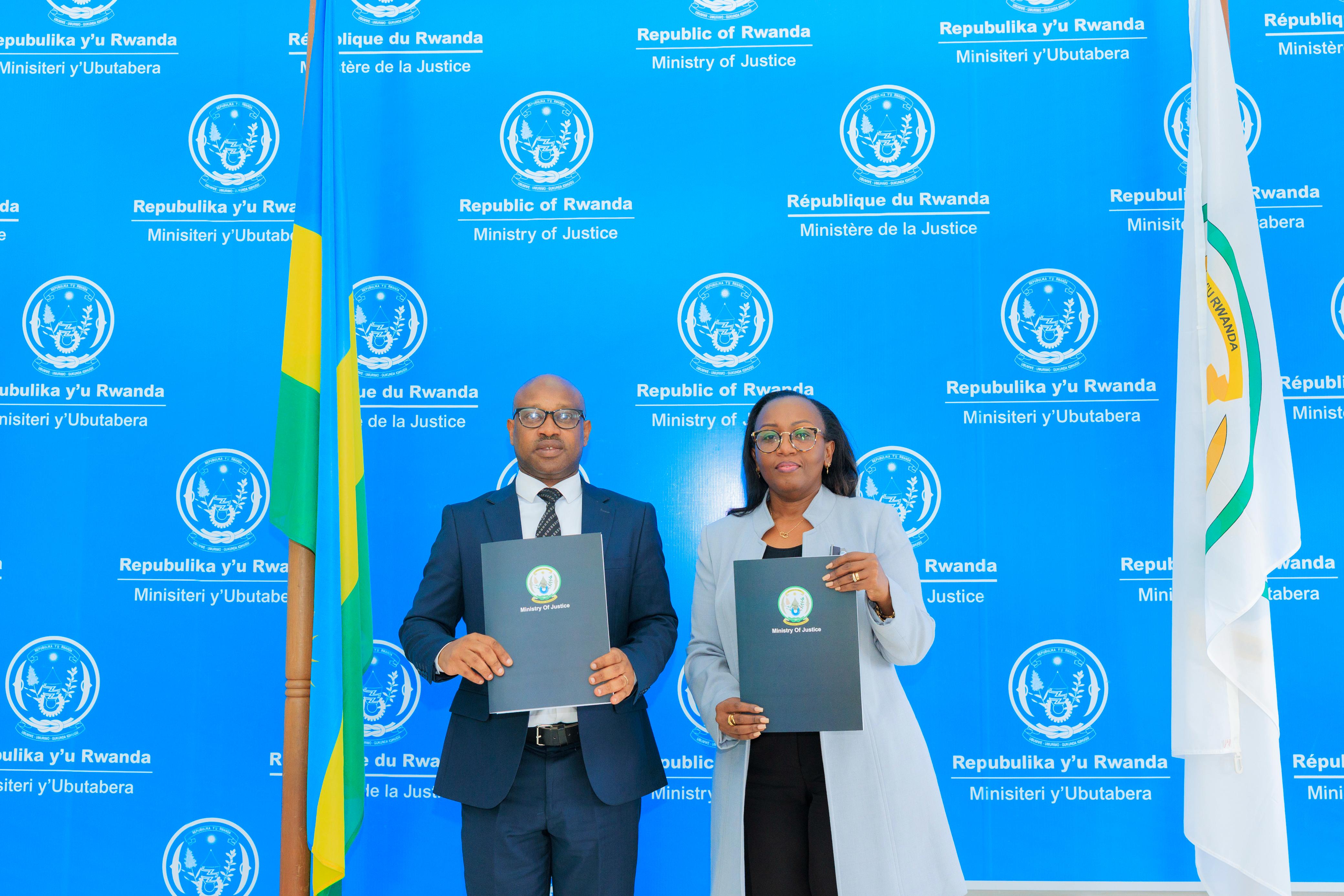
Ihererekanya bubasha hagati y’ abayobozi bashya n’abayobozi bacyuye igihe muri Minisiteri y’Ubutabera
Uyu munsi ku wa 24 Nzeri 2026, abayobozi bashya muri Ministeri y’Ubutabera baherutse gushyirwaho n’Inama y’Abaminisitiri yo ku wa 18 Nzeri 2026…
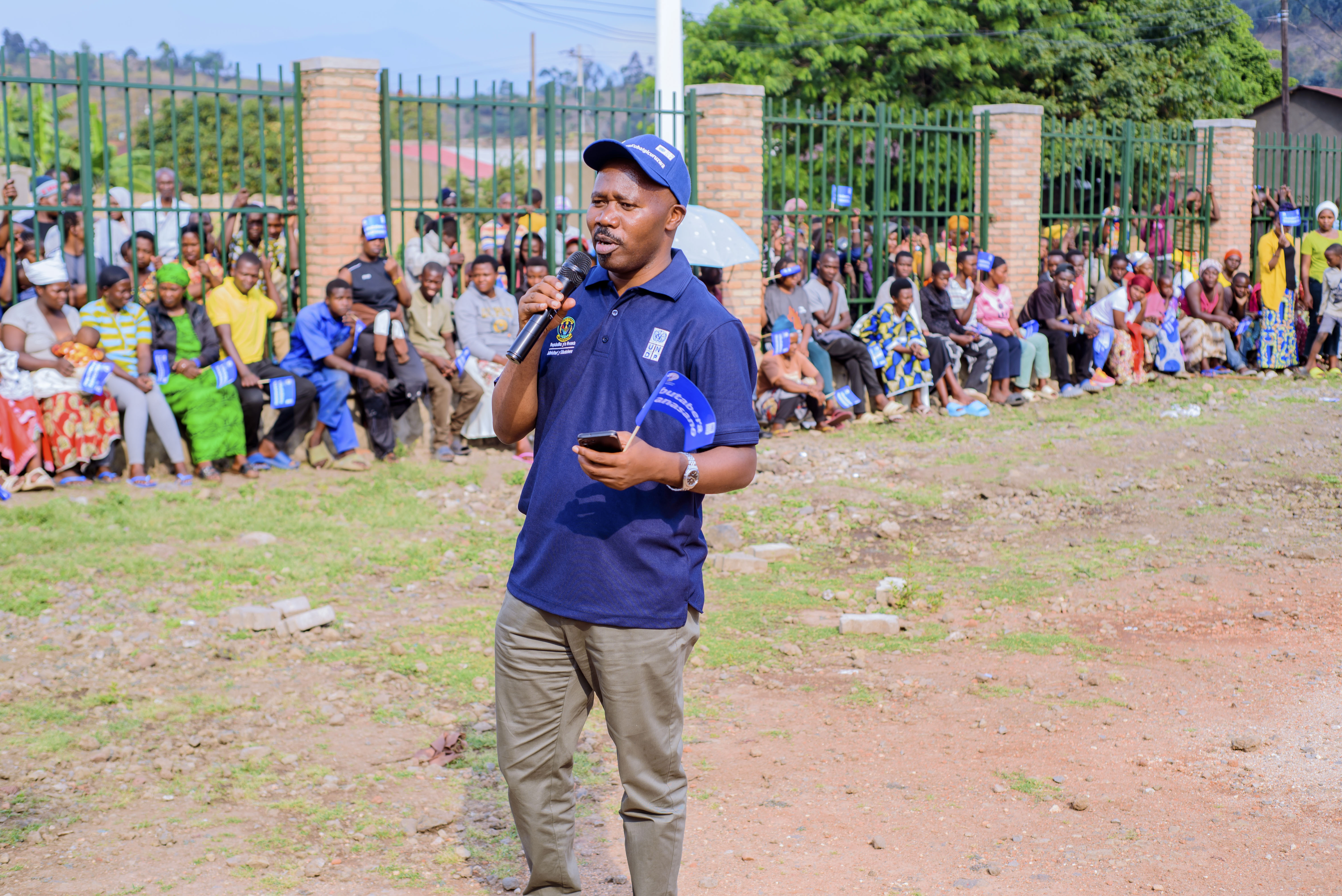
MINIJUST Raises Awareness on Human Trafficking Prevention and on ADR in Rubavu
On 15 September 2026, the Ministry of Justice, in partnership with UNDP, conducted a community awareness caravan in Rubavu District to raise awareness…

MINIJUST and Swiss Delegation Visit Karongi District to Review Access to Justice and ADR Initiatives
A delegation led by H.E. Gilles Cerutti, Ambassador of Switzerland to Rwanda, and the Permanent Secretary/Solicitor General at the Ministry of Justice…