State and Non-State Stakeholders trained on ADR and MIS GANUBUTABERA
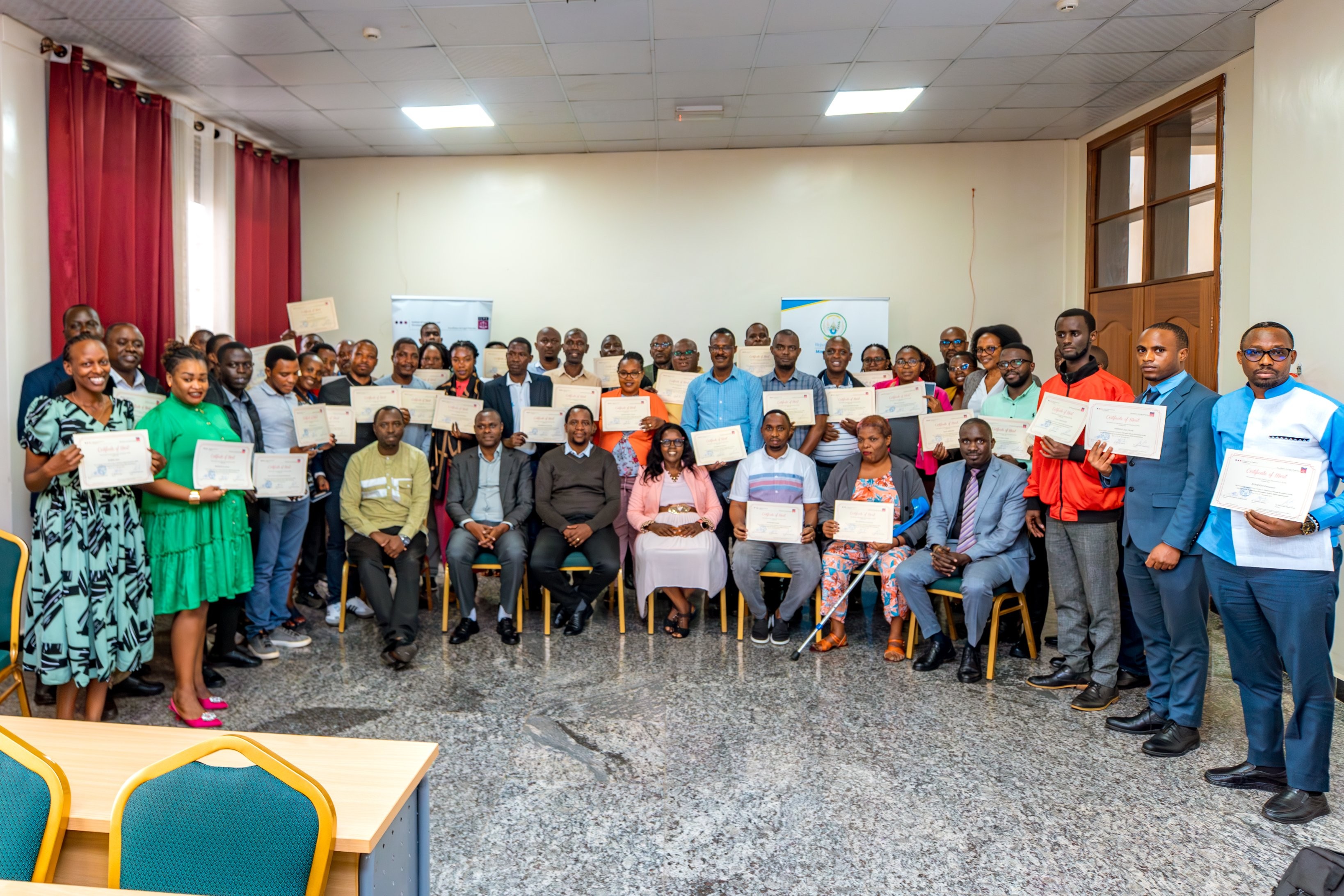
From 15–19 December 2025, the Ministry of Justice, in partnership with the ADR Operationalization Project, brought together 55 participants from state and non-state institutions for a training on Alternative Dispute Resolution (ADR) and the MIS GANUBUTABERA digital platform.
The five-day training aimed to strengthen the capacity of legal aid providers to better understand, apply, and promote ADR mechanisms using a rights-based, community-sensitive approach to conflict resolution. It focused on practical skills that help communities resolve disputes peacefully and efficiently. Participants deepened their understanding of mediation, conciliation, and negotiation, and learned how these approaches provide affordable and timely alternatives to formal court processes.
A key highlight of the training was the integration of ADR processes into the MIS GANUBUTABERA platform. Participants gained hands-on skills to record, track, and manage ADR cases digitally, improving documentation of outcomes and performance indicators.
Through interactive discussions, practical exercises, and real-life case scenarios, the training fostered a shared understanding among state and non-state actors. By strengthening both ADR skills and digital case management, the initiative contributes to better access to justice, particularly for vulnerable and marginalized populations.
While closing the training, the Acting Director General of Justice Sector Coordination, Ms. Mukabatsinda Anatholie, urged the trainees to share the skills they had acquired in resolving disputes through dialogue and mutual understanding, and to encourage citizens to embrace a culture of settling conflicts without resorting to the courts.
“When we equip communities with the skills to resolve conflicts peacefully, we do more than settle disputes. We build trust, strengthen relationships, and create a culture of lasting peace.” She added
MIS GANUBUTABERA is a digital platform that helps community mediators and legal aid providers manage disputes efficiently. It allows users to register cases, track progress, document outcomes, and generate reports, all in one system. By connecting community-based mediation, such as Abunzi committees, with formal justice institutions, the platform ensures transparency, accountability, and faster access to justice for citizens.
Topics
Ihererekanya bubasha hagati y’ abayobozi bashya n’abayobozi bacyuye igihe muri Minisiteri y’Ubutabera
Uyu munsi ku wa 24 Nzeri 2026, abayobozi bashya muri Ministeri y’Ubutabera baherutse gushyirwaho n’Inama y’Abaminisitiri yo ku wa 18 Nzeri 2026…
Rwanda Launches National Diversion Framework to Advance Child-Friendly Justice
On 23 June 2026, the Ministry of Justice, in partnership with UNICEF Rwanda, convened a Stakeholders’ Dialogue on Advancing Child Justice in Rwanda,…

Rwanda hosts Africa’s Attorneys General Forum on strengthening Public–Private Partnerships for Development
Rwanda convened the Africa’s Attorneys General Forum in Kigali from 5–7 May 2026, in partnership with the World Bank Group, ICSID, MIGA, AFC, IFC, and…
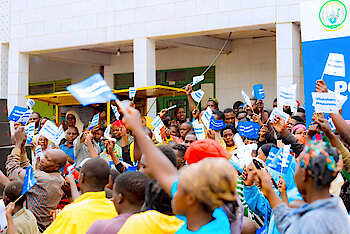
ADR Caravan Strengthens Community Awareness and Trust in Alternative Dispute Resolution
The Ministry of Justice, in partnership with the Swiss Agency for Development and Cooperation (SDC) and the European Union (EU), conducted an ADR…
Investigators and Prosecutors Strengthen ADR Skills to Advance Access to Justice
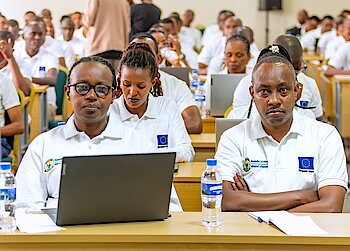
From 29 March to 1 April 2026, the Ministry of Justice, in partnership with the European Union, organized a specialized Alternative Dispute Resolution…

Rwanda Launches ADR Clubs to Promote a Culture of Peaceful Dispute Resolution
The Ministry of Justice, in collaboration with International Alert, officially launched Alternative Dispute Resolution (ADR) Clubs in Rwanda on 31…

Ministry of Justice Strengthens Contract Management Capacity to Safeguard Public Resources
On 13 February and 30 March 2026, the Ministry of Justice held workshops on contract management to strengthen the capacity of procurement officers,…
Rwanda v. UK: Upholding the Integrity of International Agreements
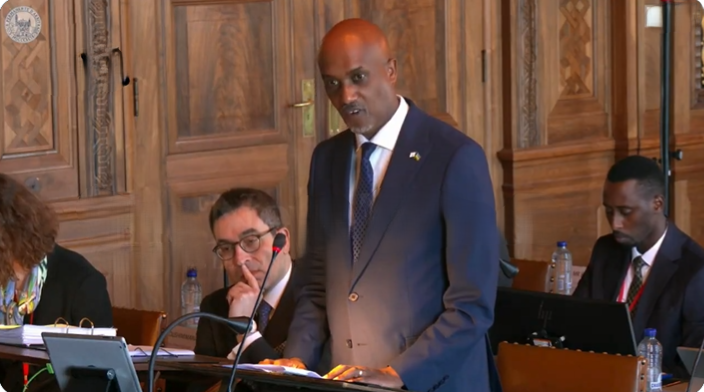
Today on the 18th of March, a hearing of the case involving Rwanda v. UK at the Permanent Court of Arbitration in The Hague has commenced. It is…

Child Rights Protection: Advancing a Child-Friendly Justice System in Rwanda
From 26th to 27th February 2026, the Institute of Legal Practice and Development (ILPD), in partnership with UNICEF Rwanda, convened a two-day…