Rwanda v. UK: Upholding the Integrity of International Agreements
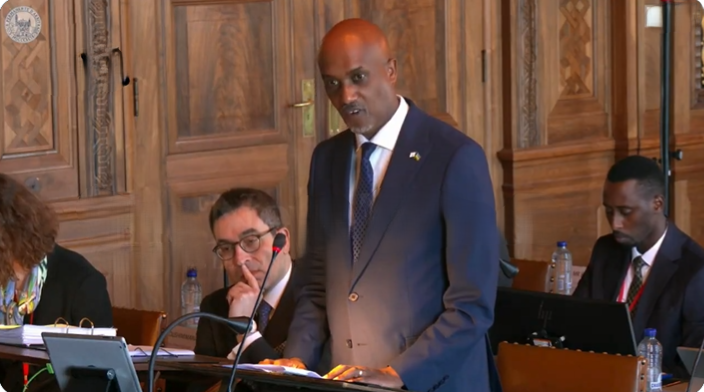
Today on the 18th of March, a hearing of the case involving Rwanda v. UK at the Permanent Court of Arbitration in The Hague has commenced. It is Rwanda’s position that the case is not about monetary compensation or any other form of financial gain. At its core, the case is about a fundamental principle that underpins the entire system of international relations: that agreements freely entered into between sovereign states must be honoured in good faith and respectfully.
The dispute arises from the Migration and Economic Development Partnership (MEDP) concluded between Rwanda and the United Kingdom in April 2022. The partnership was designed as a joint and innovative response to the global challenge of irregular migration. For the United Kingdom, the agreement sought to address dangerous migration journeys across the Channel. For Rwanda, the partnership aligned with a broader and long-standing national policy of refugee protection and socio-economic inclusion.
Rwanda has for decades hosted refugees from across the region and beyond. Today, more than 130,000 refugees and asylum seekers are registered in the country. Rwanda’s approach has consistently been guided by the belief that refugees should not be left indefinitely dependent on humanitarian assistance but instead should be given the opportunity to contribute to the societies in which they live.
Rwanda’s claim before the tribunal is straightforward: international agreements cannot simply be disregarded when domestic political priorities change.
The principle at stake is not unique to this dispute. International law relies on the doctrine of pacta sunt servanda—the idea that agreements must be kept. This principle ensures stability, predictability, and trust in relations between states, regardless of their size or political influence.
Rwanda’s decision to bring this case reflects its commitment to that principle. Rwanda entered the partnership in good faith, invested significant effort in implementing it, and expected that the commitments made under a binding international agreement would be respected.
This arbitration therefore raises a broader question for the international community: whether legally binding agreements between states can be set aside unilaterally when they become politically inconvenient.
For Rwanda, the answer is clear. International cooperation depends on mutual respect, good faith, and legal certainty. Small and large states alike must be able to rely on the commitments that their partners make.
Rwanda remains committed to working with international partners to address the global migration crisis and to provide protection and opportunity to those seeking safety. But that cooperation must rest on a simple and enduring principle: that sovereign states honour the agreements they freely conclude.
Topics
Rwanda Launches National Diversion Framework to Advance Child-Friendly Justice
On 23 June 2026, the Ministry of Justice, in partnership with UNICEF Rwanda, convened a Stakeholders’ Dialogue on Advancing Child Justice in Rwanda,…

Rwanda hosts Africa’s Attorneys General Forum on strengthening Public–Private Partnerships for Development
Rwanda convened the Africa’s Attorneys General Forum in Kigali from 5–7 May 2026, in partnership with the World Bank Group, ICSID, MIGA, AFC, IFC, and…
ADR Caravan Strengthens Community Awareness and Trust in Alternative Dispute Resolution
The Ministry of Justice, in partnership with the Swiss Agency for Development and Cooperation (SDC) and the European Union (EU), conducted an ADR…
Investigators and Prosecutors Strengthen ADR Skills to Advance Access to Justice
From 29 March to 1 April 2026, the Ministry of Justice, in partnership with the European Union, organized a specialized Alternative Dispute Resolution…

Rwanda Launches ADR Clubs to Promote a Culture of Peaceful Dispute Resolution
The Ministry of Justice, in collaboration with International Alert, officially launched Alternative Dispute Resolution (ADR) Clubs in Rwanda on 31…

Ministry of Justice Strengthens Contract Management Capacity to Safeguard Public Resources
On 13 February and 30 March 2026, the Ministry of Justice held workshops on contract management to strengthen the capacity of procurement officers,…
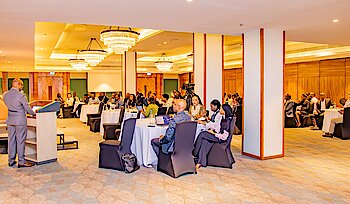
Child Rights Protection: Advancing a Child-Friendly Justice System in Rwanda
From 26th to 27th February 2026, the Institute of Legal Practice and Development (ILPD), in partnership with UNICEF Rwanda, convened a two-day…
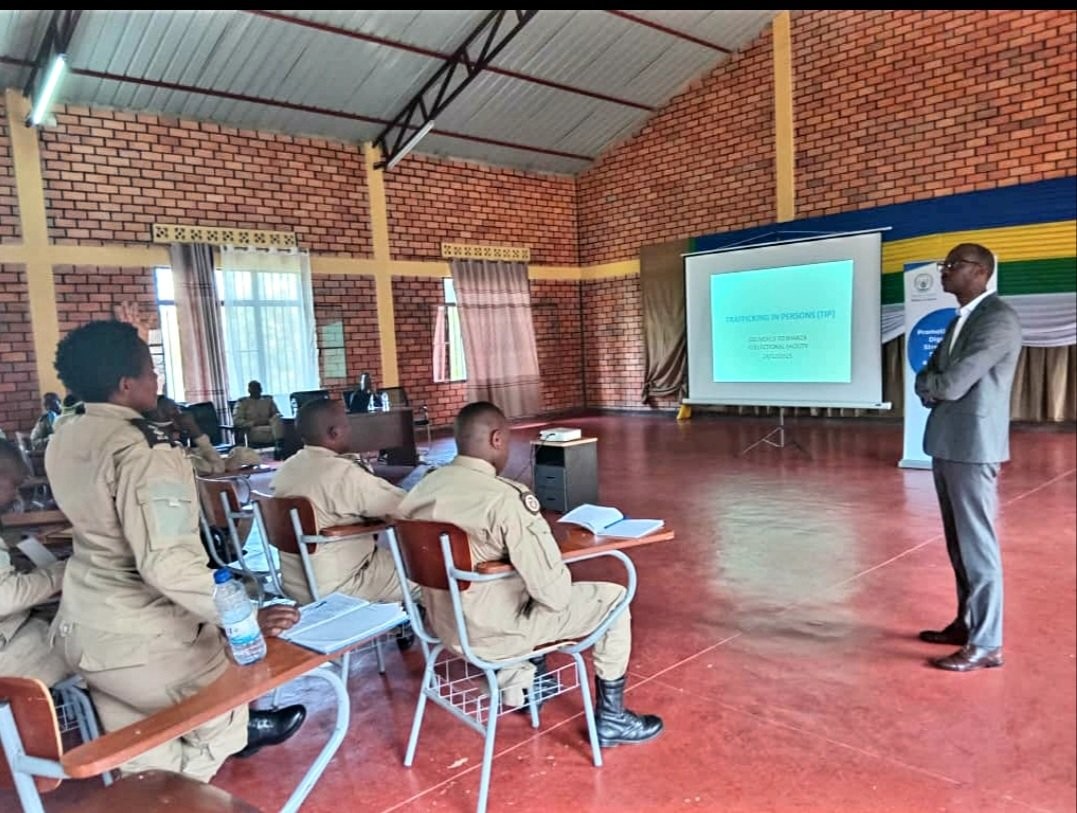
Strengthening Human Rights and Combating Human Trafficking
From 22 to 24 December 2025, the Ministry of Justice, in partnership with the ADR Operationalization Project, organized two key training sessions…
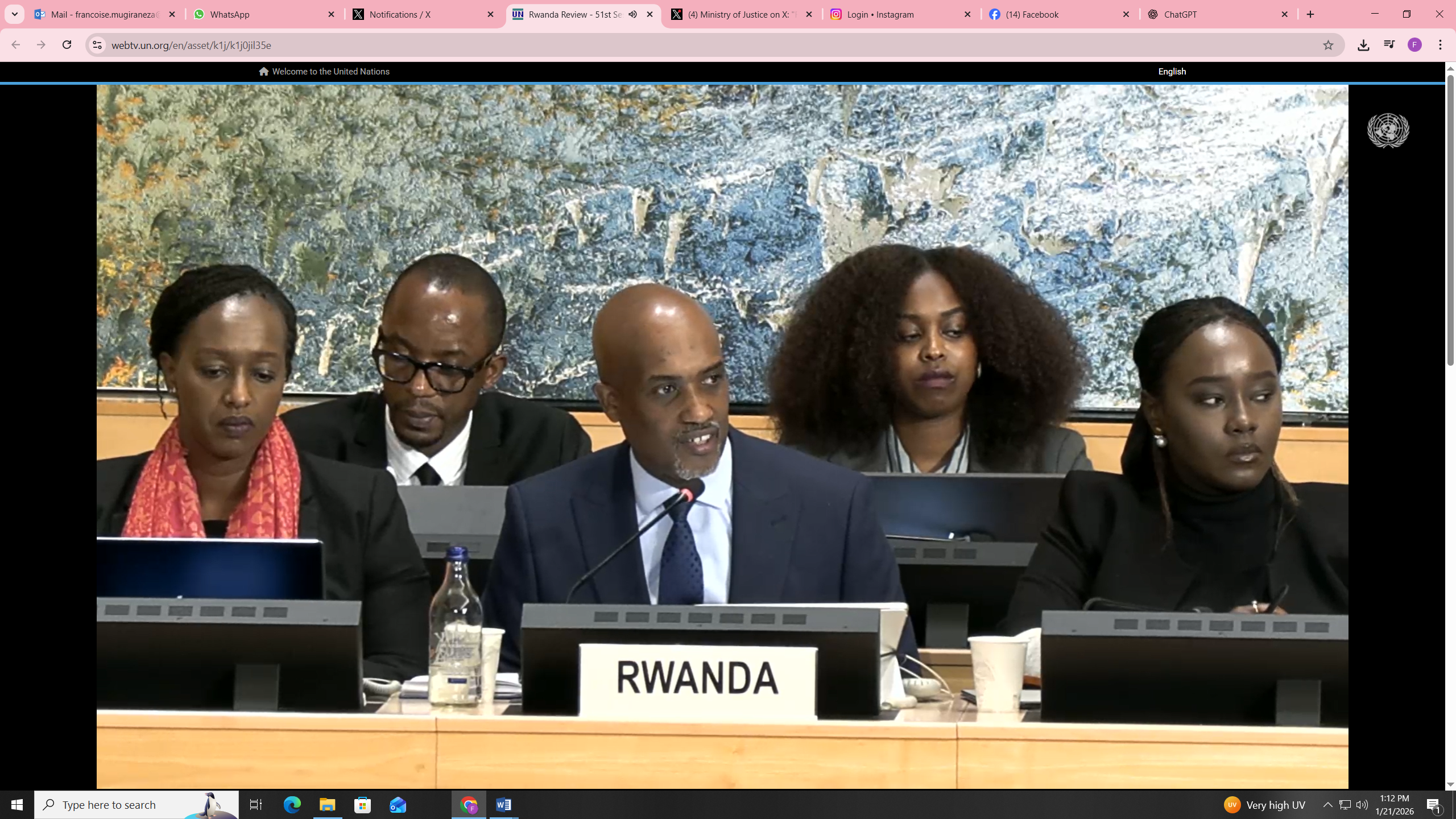
Rwanda presents Its Fourth Universal Periodic Review Report
On 21 January 2026, the Government of Rwanda presented its Fourth National Report under the Universal Periodic Review (UPR) during a session of the…